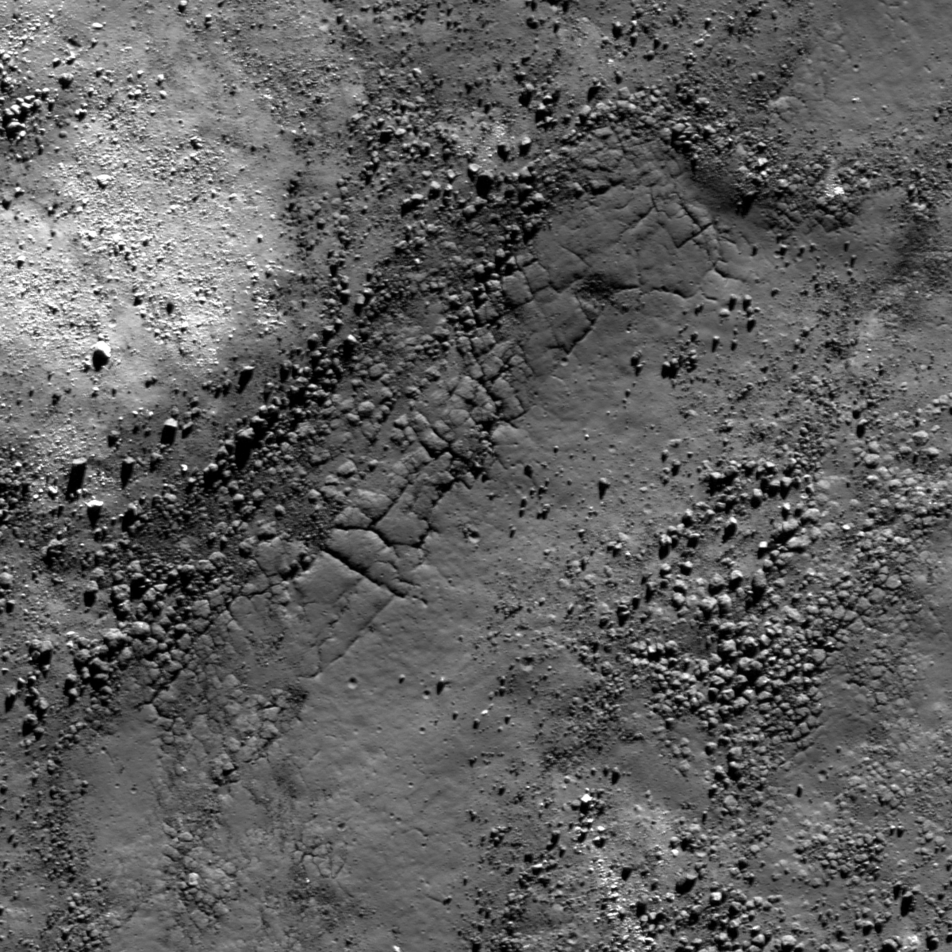
Lunar Geology Examples
Background
We’re working to understand the lunar surface using geology. A variety of different events can all change the Moon. Impacts, such as asteroid, micrometeor, and space craft impacts, can make dramatic craters, melt parts of the surface, and even carve out boulders that can get flung great distances. Space weathering, caused by the Sun’s particles and light, alters molecultes on the surface of them (sometimes changing their colors!) and can knock neutrons and other particles out of their atoms. Ancient techtonic motions and volcanic eruptions also leave their marks in the form of faults, mountains, lava fields, and other features. Our study of these features not only
In this project, we’re focusing on impact related features.
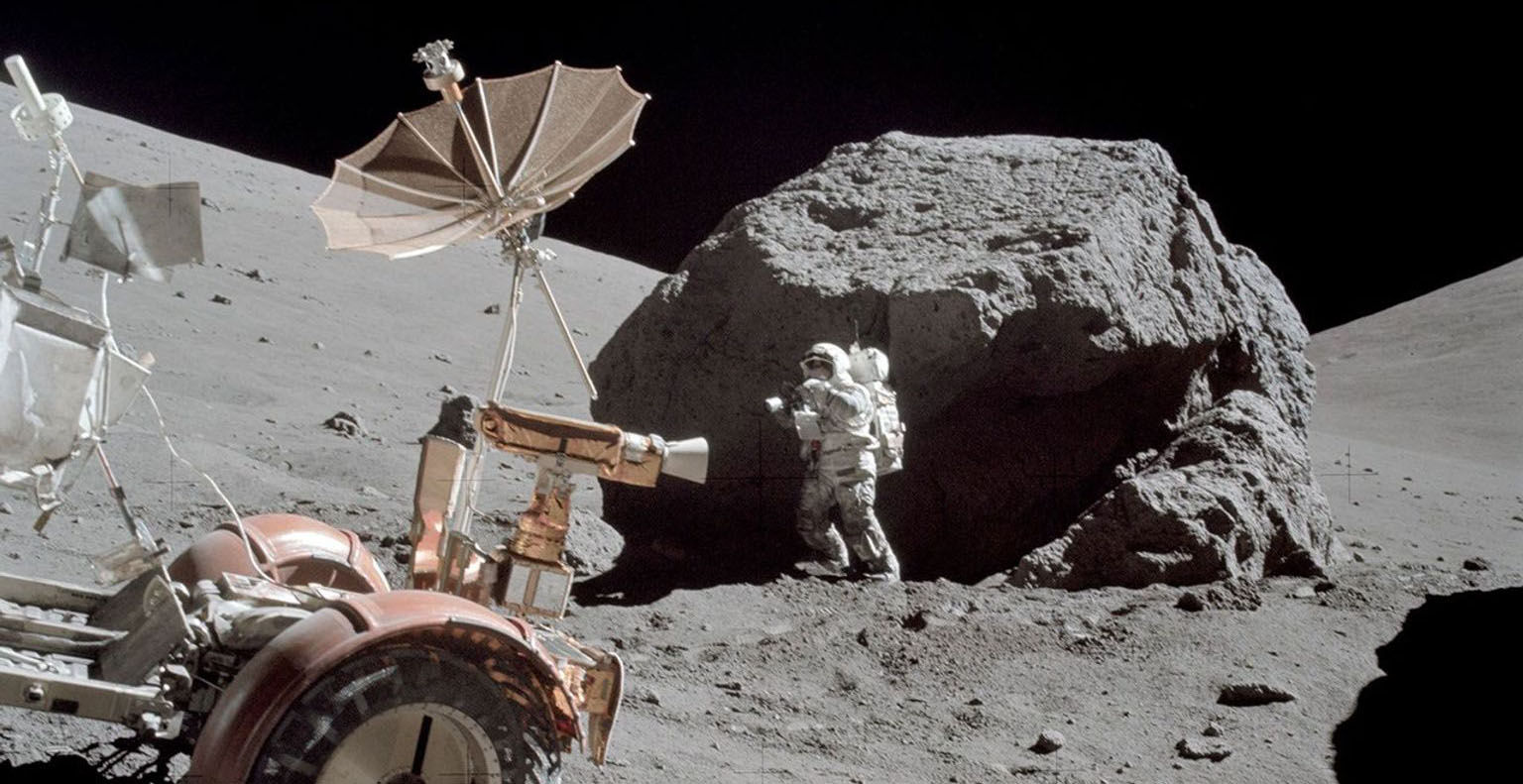
Geologist Harrison Schmidt (Apollo 17) is shown working on a boulder. Credit: NASA
Lunar Fast Facts
Related Projects
- Lunar Features: Map craters, boulders, and rocks
- Lunar Flows: Trace flows and channels, cracks, & ridges
Data Source
- Mission: Lunar Reconnaissance Orbiter
- Camera: Narrow Angle Camera
- Resolution: ~0.5m / 1.5 ft per pixel
- Image Credit: NASA/Arizona State University/Intuitive Machines (link)
Project images are 450 pixels across. This makes them a little more than twice as long as a regulation soccer field.
Related Pages
Features we're mapping
 Crater: These bowl-shaped depressions on rocky and icy worlds are formed when an object hits the surface. The largest craters form during asteroid impacts. Smaller craters form both from smaller asteroid impacts and from the impact of boulders that are sent flying during large impacts. When the formation of one crater causes another crater to form it’s called a secondary crater.
Craters
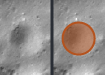
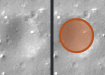
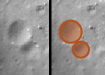
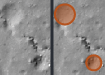

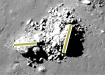
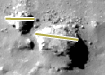
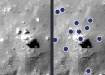
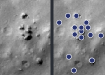
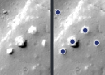
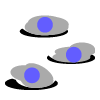 Boulders & Rocks: These chucks of the Moon are often formed when a large asteroid excavates a crater and tosses material ranging in size from dust and gravel to many-meter across boulders. Some boulders may be found partially embedded in lava flows, or broken into pieces where they lay on the lunar surface. The rocks and boulders caught in lava flows allow us to measure various properties of the lava, such as its viscosity. When you measure the long axis of the boulder, you are helping us sort them by size. Below a certain size, however, the size measurements aren’t as important, so we just mark “rocks'” centers.
Boulders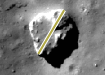
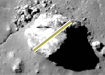
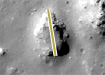
Rocks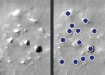
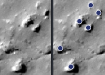
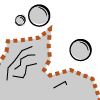 Flows & Channels: The immense energies of asteroid impacts have the capacity to melt the lunar surface. This molten rock can flow across the cracter walls, floors, and surroundings, leaving behind both channels where it cut through the rock like a river, as well as tongues of lava where it comes to rest atop the surroundings. You may even see overlapping flows where a newer band of lava moves over an old band.
Flows & Channels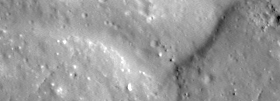
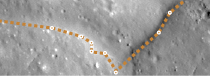
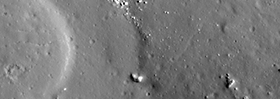
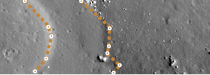
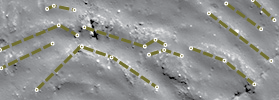
 Wrinkle Ridges: This feature is so rare you may never see one in this data set! When cooling flows begin to solidify, molten flows may begin to wrinkle up and over stalled out flows in front of it.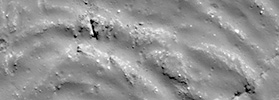
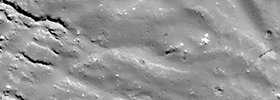
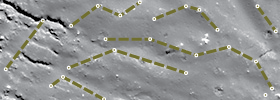
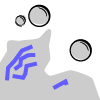 Cracks: Just as the name implies, cracks are places where the surface of a lunar flow cracked open. This happens as the material cools and tried to contract. The splits in the rock are left behind where material contracted.
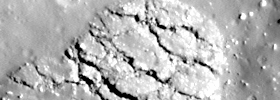
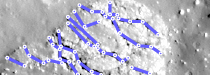
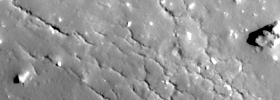
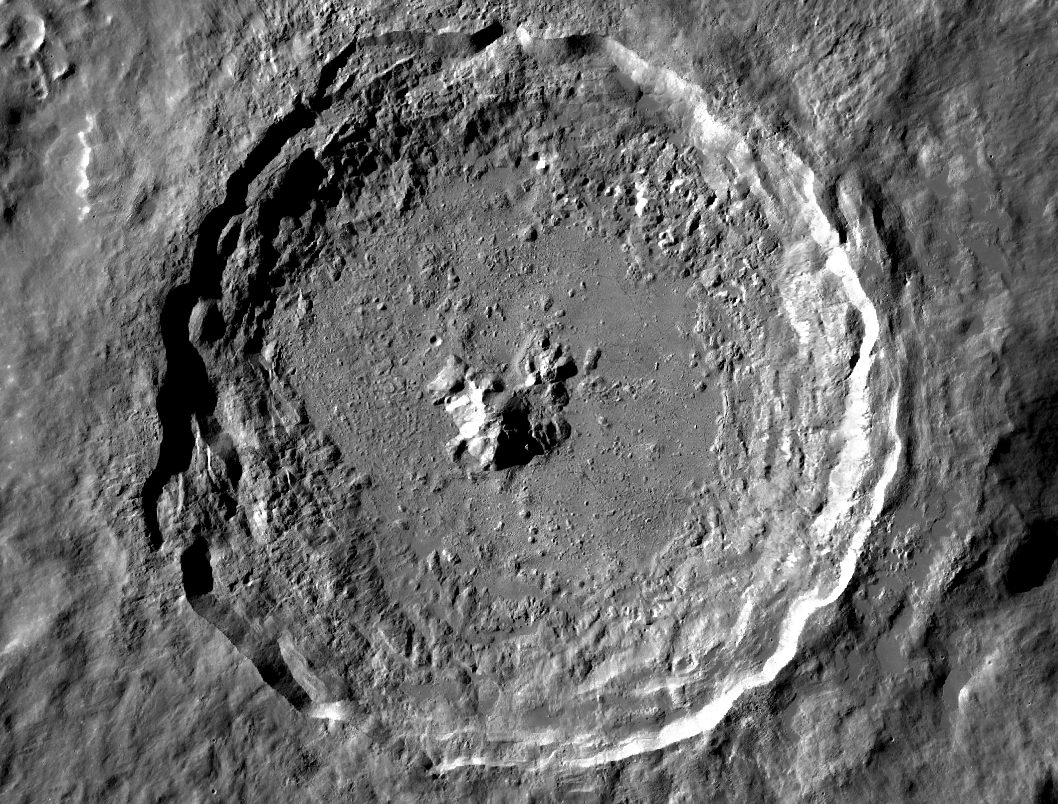
In this project you’ll be mapping Tycho crater (below, Credit: NASA) and the nearby and smaller Little Lowell crater. Both of these craters are rich in melt deposits and littered with smaller craters formed both through secondary impacts and by smaller asteroids that have collided with the Moon’s surface over the years and millenia.
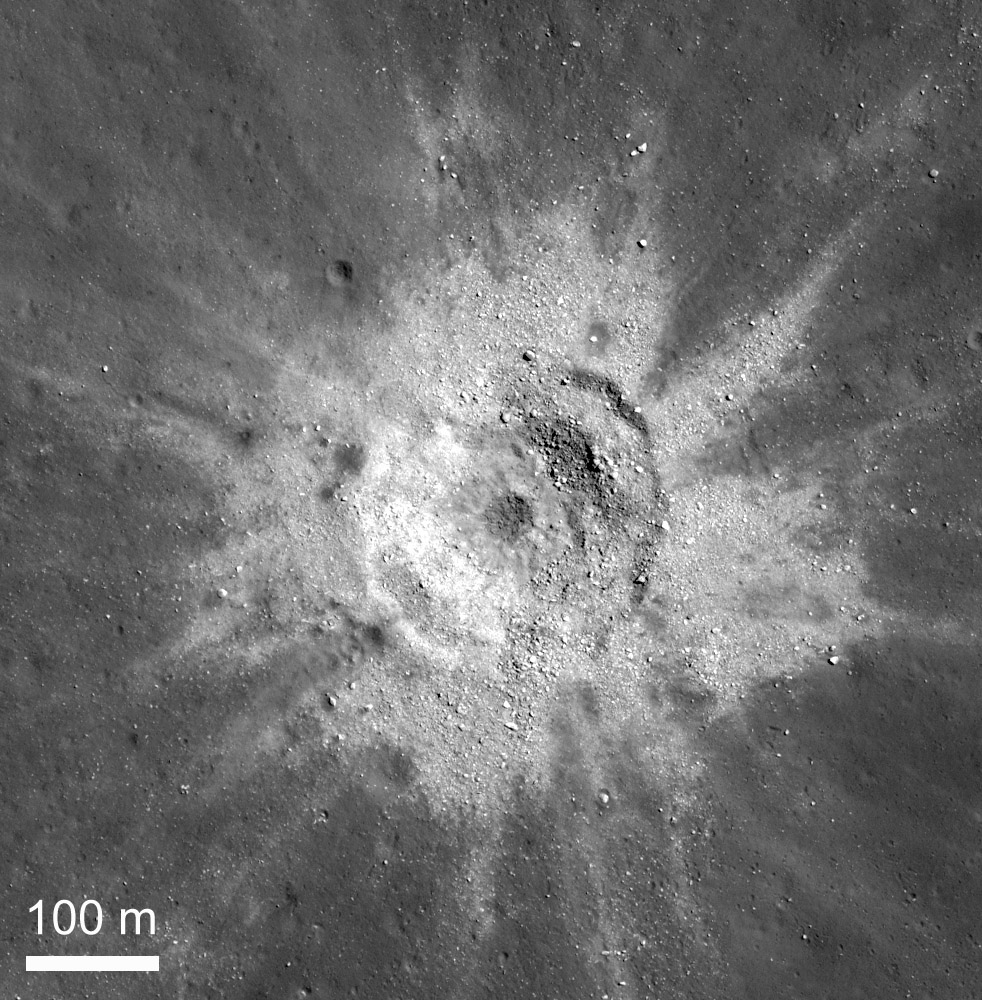
This young crater is littered with rocks and boulders, with sprays of ejecta surrounding it. (LROC NAC frame M1287235559L). Learn more here. Credit: NASA/GSFC/Arizona State University
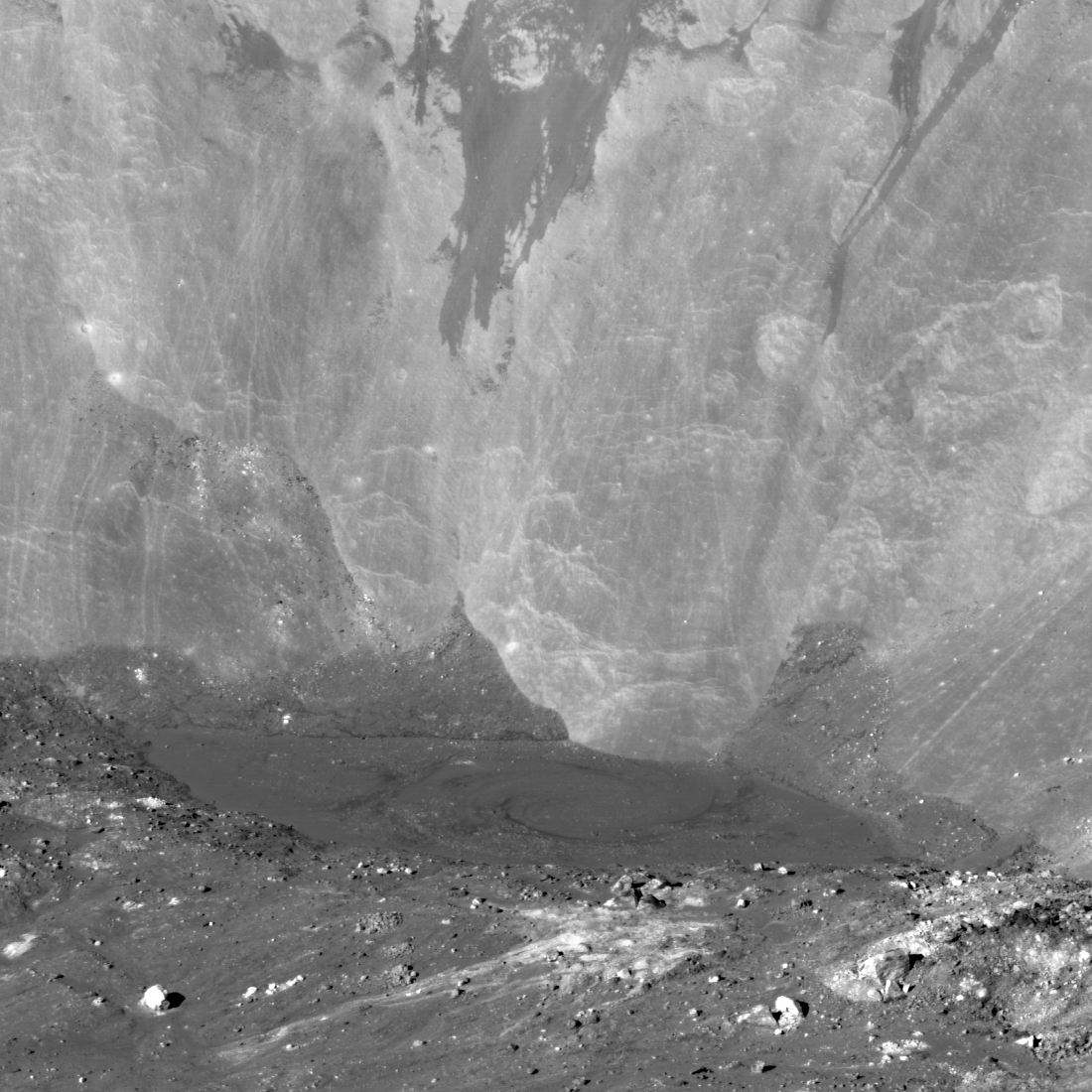
This image is taken from the side of Giordano Bruno crater. You can see how the crater floor is littered with rocks, boulders, and debris from landslides. (LROC NAC frame M1258193408LR). Learn more here. Credit: NASA/GSFC/Arizona State University
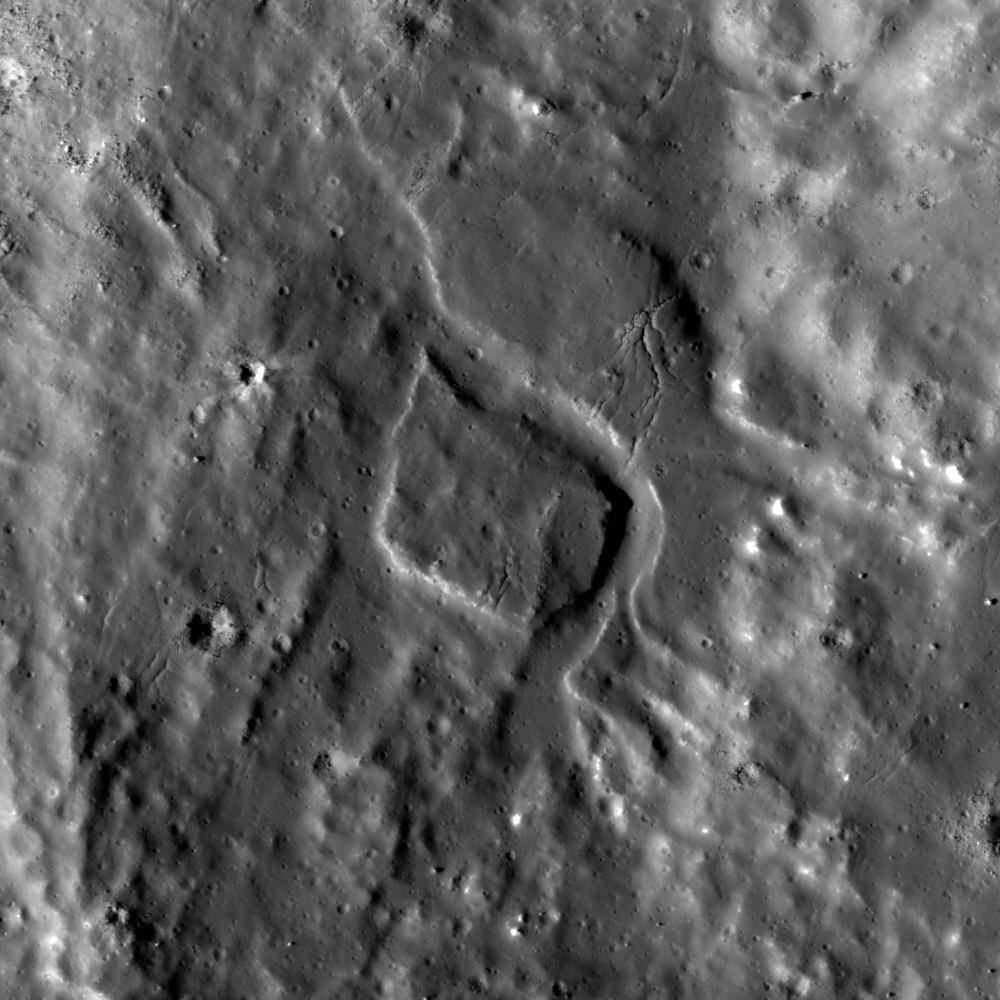
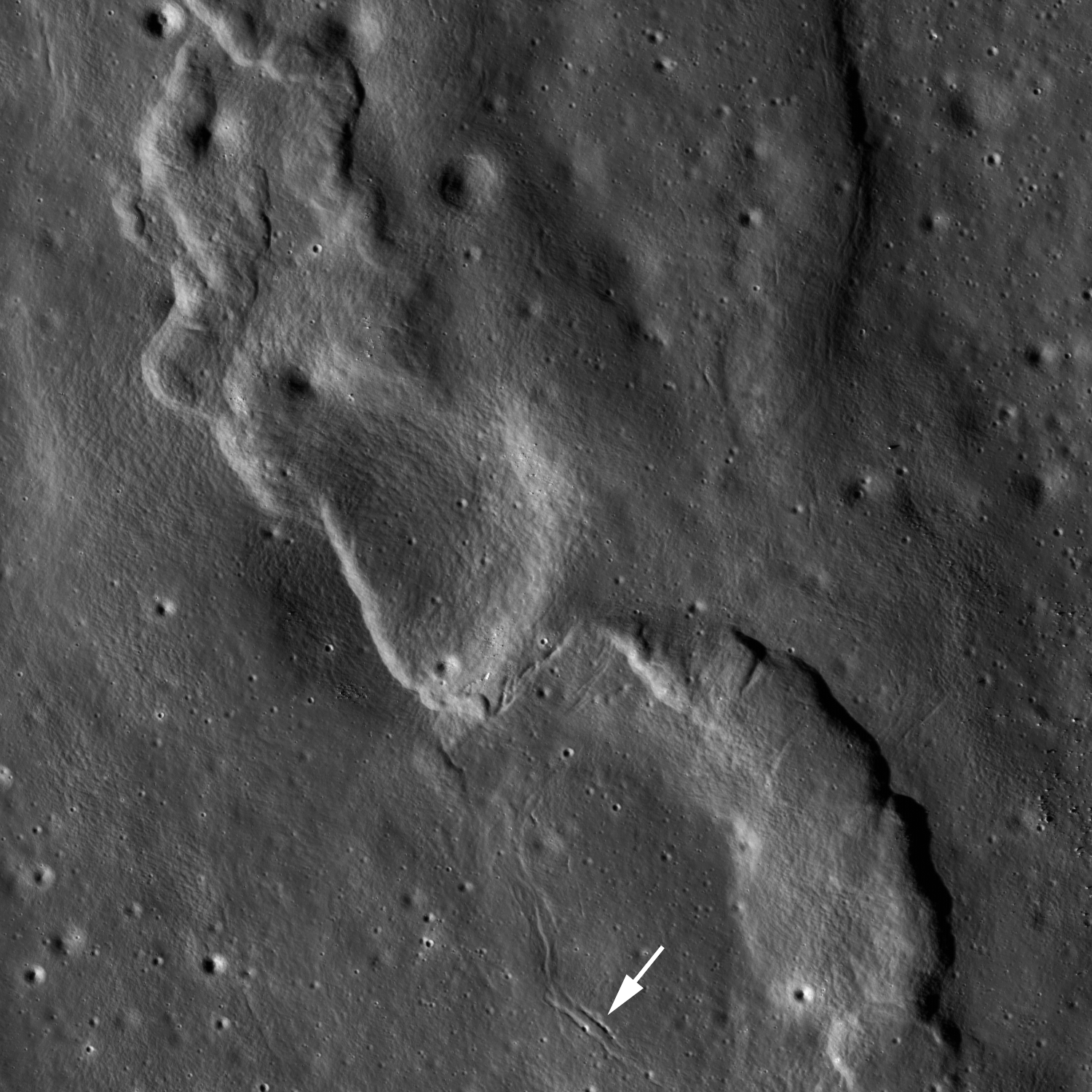
Rare wrinkles (see white arrow) formed on a lava flow in Mare Frigoris (LROC NAC frame M181102837R). Learn more here. Credit: NASA/GSFC/Arizona State University